Short answer: What is à la carte dining?
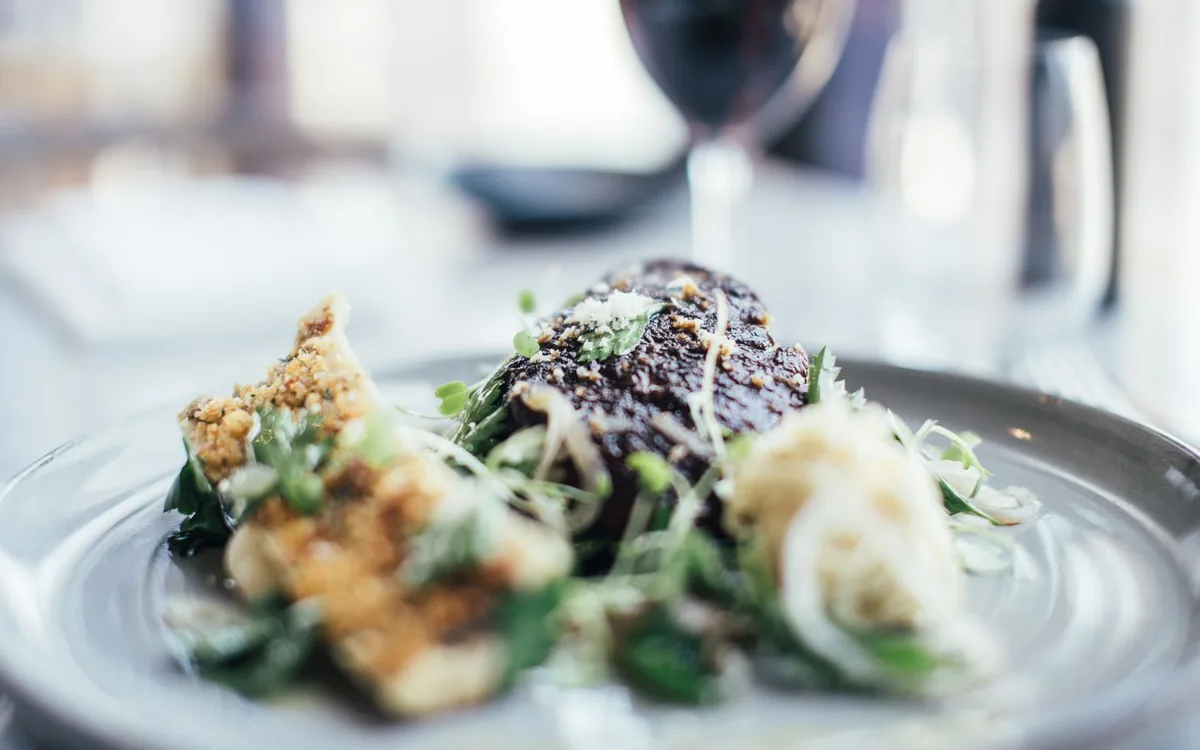
À la carte means choosing individual dishes from a menu, with each dish priced separately. A set menu offers a predetermined combination for a fixed price, while a buffet lets guests select food from a shared display. Rezervem Manager is used to manage restaurant reservations, availability and tables.
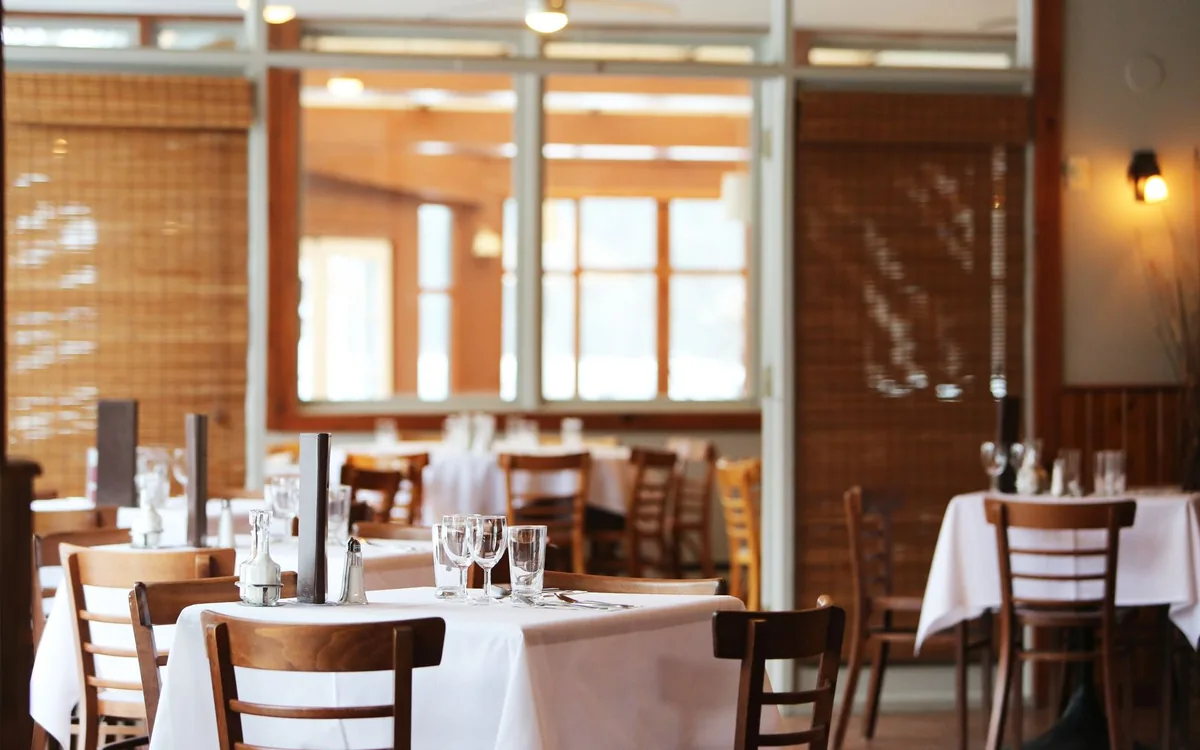
An à la carte restaurant follows that menu and ordering model. In a hotel, à la carte does not automatically mean that dining is free for every guest or that a reservation is always mandatory. The property sets its dining hours, booking conditions and any entitlements included in the stay.
The problem: two requests for the same table before dinner
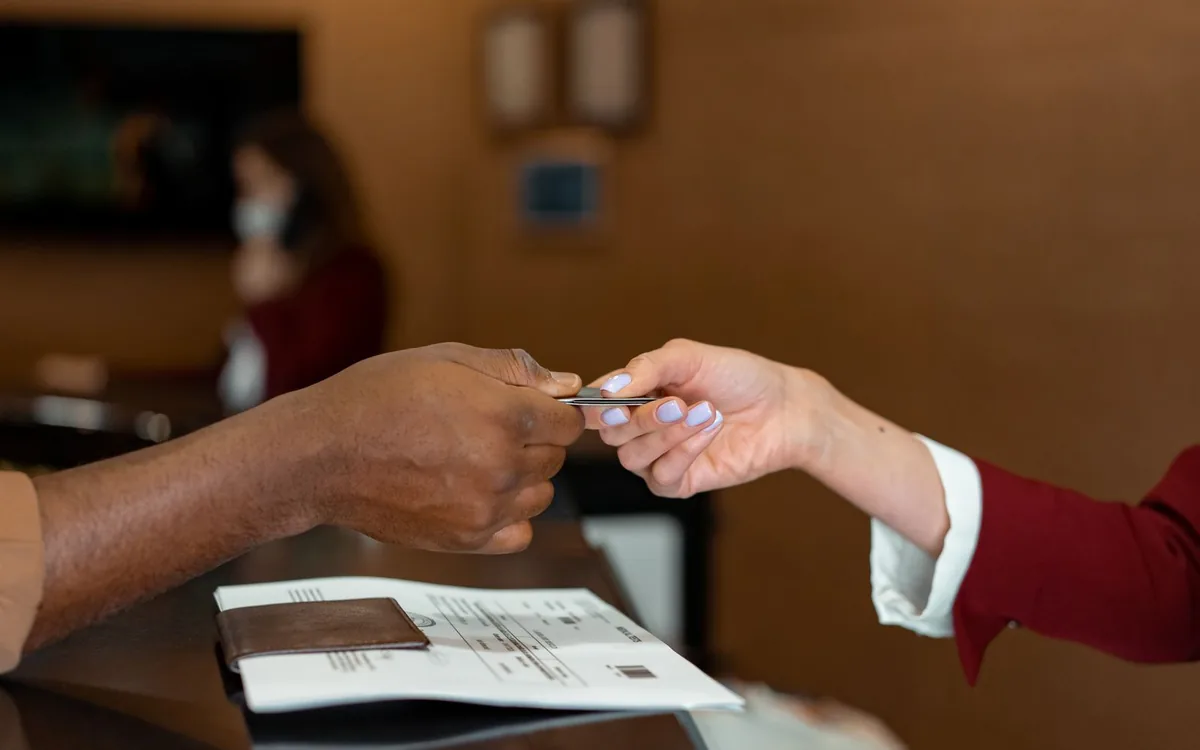
Consider a hotel preparing for evening service. A staying guest asks the front desk for a table in the à la carte restaurant. The restaurant is also expecting guests who are not staying at the hotel. If an adjustment made during the earlier shift has not reached the front desk, the two teams may give different answers about availability for the same time.
When the guest arrives, the difficulty is not choosing a dish. The booking information has become inconsistent: what the front desk promised does not match the table plan prepared by the restaurant. Attentive staff still need a shared, current record to make a reliable decision.
Why do scattered reservation records create problems?
À la carte describes how guests order food, not how tables are allocated. For hotel restaurants, the practical challenge is keeping front-desk requests, restaurant reservations and table availability aligned. Separate notebooks or messages can cause the following difficulties:
- More than one guest may be promised the same table or time, leaving the host team to resolve a conflict at arrival.
- A cancellation or party-size change may reach one team but not the other, making the table plan inaccurate.
- Without a current reservation count, kitchen and floor teams cannot prepare against the latest expected attendance.
- Requests from staying guests and outside visitors may sit in different records, making the confirmed booking harder to identify.
The solution: one booking record and an up-to-date table plan
Start by agreeing on a reservation routine that both the hotel front desk and restaurant team will follow. That way, the information given to a guest matches the records used to prepare for service. Software can support this routine, while the team remains responsible for service decisions.
- Have the restaurant lead define service days and hours, available tables and seating conditions; communicate any changes to the team.
- Ask both the front desk and restaurant to check the same current reservation record and confirm availability before promising a table.
- Capture the date, time, party size and any necessary guest requests when the booking is taken.
- When a guest cancels, changes the time or adjusts the party size, have the restaurant review the table plan again.
- Before service, review the confirmed reservations and table status; clearly explain any dining entitlements, fees or booking conditions to guests.
How Rezervem handles it: Manager, Stay and PMS
Rezervem Manager supports the restaurant team in managing reservations, availability and tables. It provides the relevant booking and table-management workflow for preparing the evening service. Explore Rezervem Manager.
Rezervem Stay gives hotel guests access to restaurant reservations using their stay information. The PMS is the source of the stay record. Which PMS changes are reflected in Rezervem, and how quickly, must be checked for each hotel’s specific connection and setup. Learn more about Rezervem Stay and PMS.
In the dinner-service example, the front desk request and the restaurant’s accepted booking should be checked against the same information. The team decides whether a table can be offered and makes sure the conditions communicated to the guest match that decision.
FAQ: How is à la carte different from a set menu?
A set menu generally combines predetermined dishes at one fixed price. With à la carte dining, guests choose dishes individually, and each dish has its own price. At a buffet, guests select food from the options displayed for self-service.
FAQ: Is à la carte dining free at an all-inclusive hotel?
Not necessarily. All-inclusive accommodation does not mean that every hotel offers unlimited complimentary à la carte dining. A particular restaurant may be included in some packages, while another property may charge extra or apply reservation or visit limits. Guests should check their hotel’s own package and booking conditions.
FAQ: Does a reservation system completely eliminate no-shows?
No. A recorded reservation cannot ensure that a guest will arrive. Rezervem Manager focuses on managing restaurant reservations, availability and tables. The business sets its cancellation and no-show policy, explains it to guests and plans service accordingly. For more context, read what is a no-show?.