What is a product, and what is a variant?
Rezervem Experience organises extra services in a hierarchy of categories, products and purchasable variants. A category groups related experiences, a product describes the guest-facing service, and a variant specifies the version the guest actually buys. A birthday cake for four and one for eight can therefore be one product with two differently priced variants.
This distinction matters even when a service has only one option. A transfer route or set menu still needs an unambiguous purchasable variant, rather than a vague product label that could change meaning after a sale. The booked service and the selected variant should remain understandable to both the guest and the team.
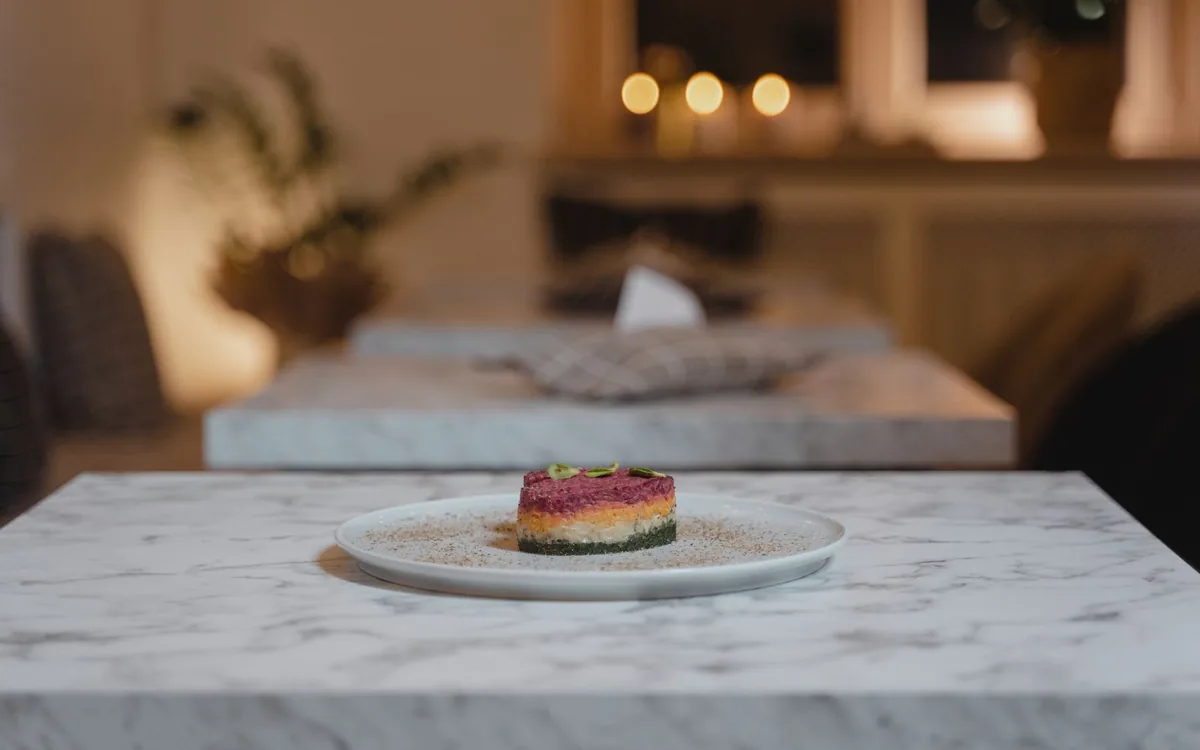
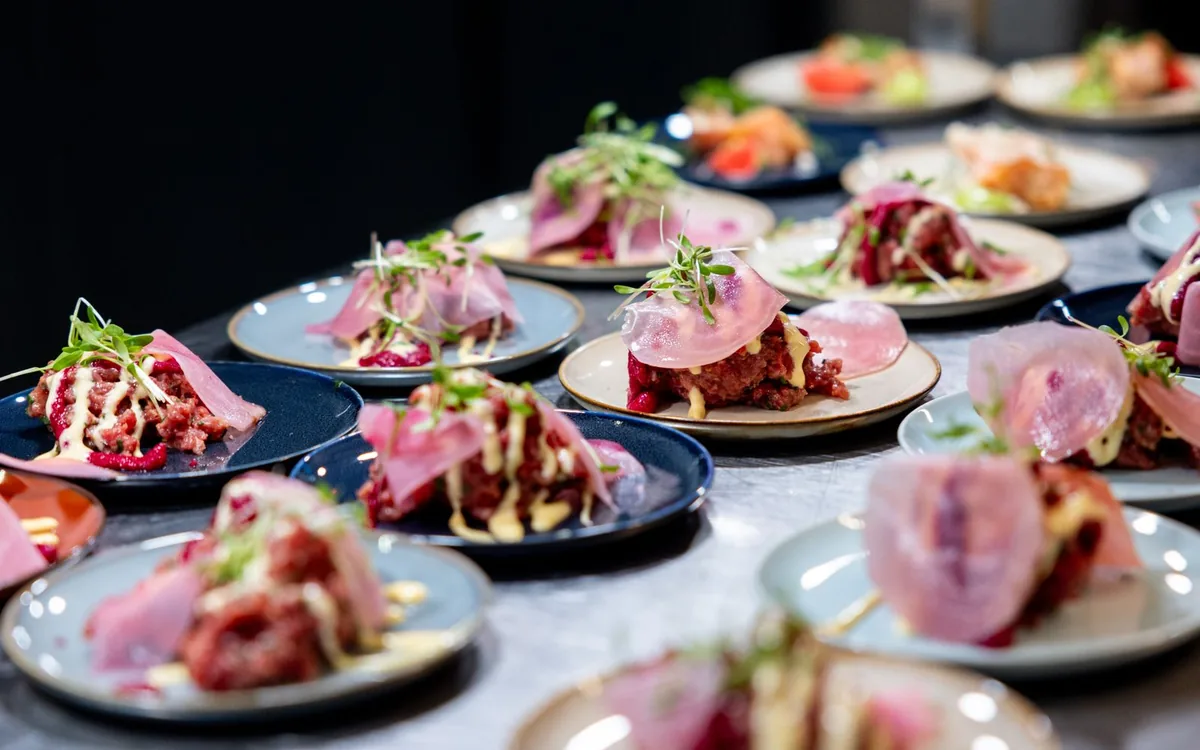
A restaurant example: one menu, several choices
Consider a chef's tasting menu offered in two lengths. The kitchen may present both under the same menu name, yet their contents and prices differ. The team should describe each choice clearly and check whether an optional pairing is a separate add-on product rather than quietly including it in the menu price.
Define the menu and variants before assigning them to venues. The same product can have a different effective price at another branch; a venue-specific price override takes precedence over the base variant price. A product must also be active and assigned to the relevant venue and eligible sales channel.
Five checks for defining products and variants
Run these checks with a real venue and an authorised staff account before treating the workflow as ready for guests.
- Group related offers under a category without treating the category as a chargeable item.
- Write a guest-friendly product name and state what the experience includes.
- Create a separate variant for each purchasable size, content or price option.
- Assign eligible venues and check the currency and effective branch price.
- Place a sample order and confirm the purchased variant and price are recorded.
How Rezervem Experience keeps sales understandable
Experience keeps the catalogue definition separate from the sale record. Staff can check the chosen variant, effective venue price and applicable taxes instead of assuming that the current catalogue price describes an older order. Product wording can change later without making yesterday's purchase impossible to interpret.
Avoid creating a second product merely because a branch charges a different amount. Use venue assignments and variant pricing where supported, with permissions for changes to pricing and tax. The outcome is a catalogue guests can understand and an order record operations can reconcile.
FAQ: Can guests buy a category?
No. A category organises services; a purchasable variant is recorded in the order.
FAQ: Do single-price services need a variant?
Yes. The variant remains the defined unit sold, even with only one choice.
FAQ: Must each branch duplicate a product?
Not necessarily. Assign a product to supported venues and use venue-specific variant pricing.