What should a tasting-menu description tell guests?
Rezervem Experience provides fields for descriptions, inclusions, exclusions, nutritional tags and translations of eligible catalogue products. A beautifully plated dish helps a guest imagine the evening, but it cannot replace a clear description of what is actually served and what the price covers.
Guests need to know whether a pairing is included, whether a substitute dish is possible and what ingredients may matter for their dietary needs. The restaurant's kitchen must verify allergen information against the current recipe and preparation process; the software does not certify that an item is safe for an individual.
A guest asks about an allergen before booking dinner
Suppose an international guest is considering a tasting menu and asks about a particular ingredient. Front-of-house staff should consult the chef rather than interpreting a missing allergen tag as proof that the dish is free of it. Cross-contact risks require the venue's food-safety procedure, not guesswork from marketing copy.
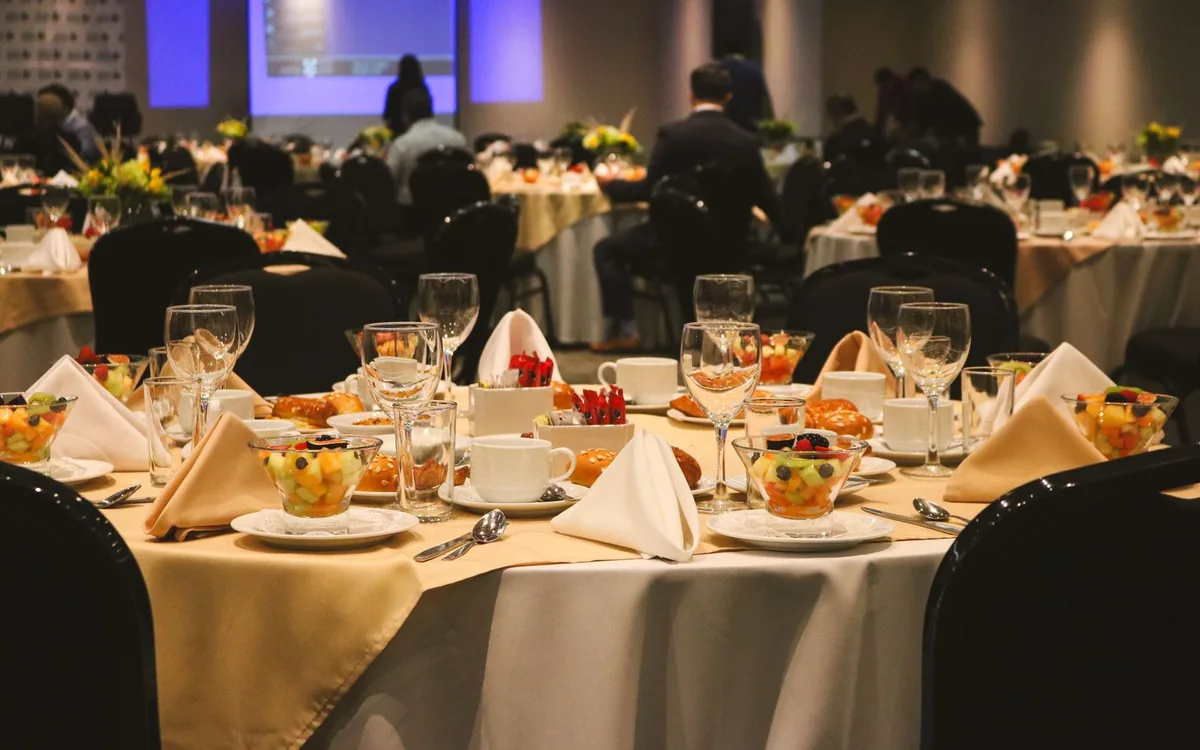
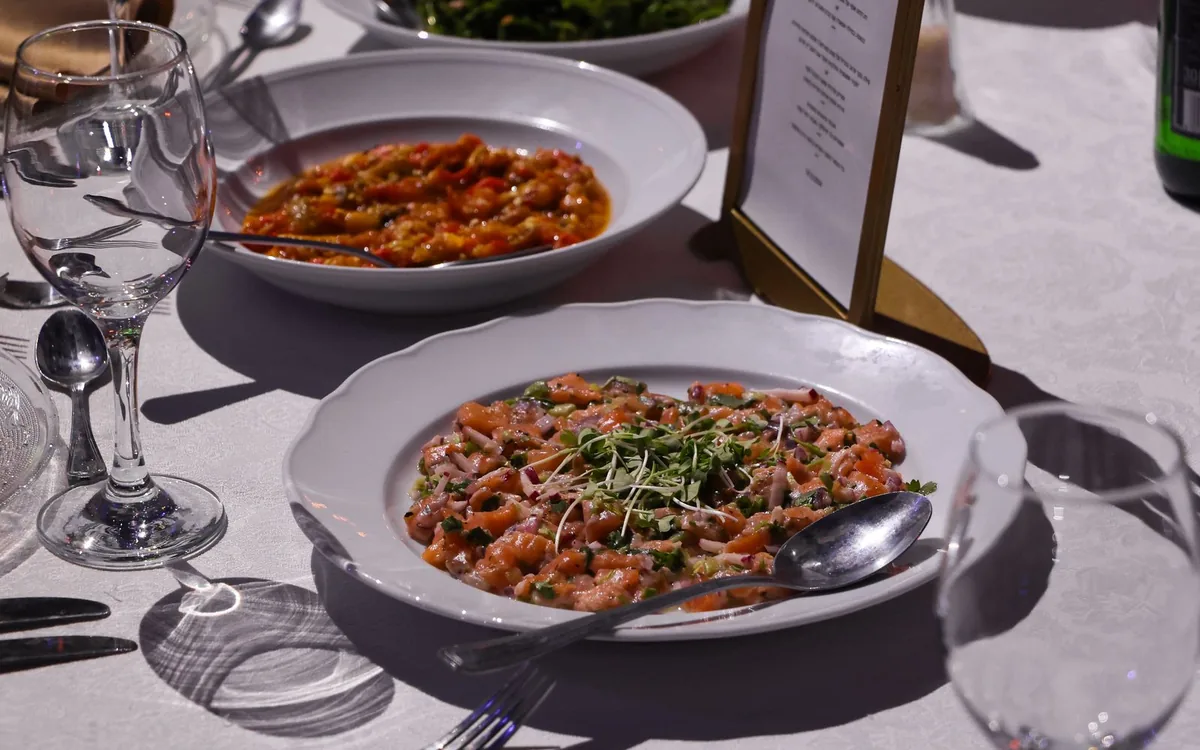
Explain what is included in the menu price, what costs extra and whether a photograph shows optional food or drink. The English product text should express the same conditions as the original description; translating a dish name is not enough if its ingredients or service promise are ambiguous.
Five checks for publishing tasting-menu information
Check the real venue configuration and staff responsibilities before inviting guests to use this workflow.
- Describe the courses, major ingredients and everything included in the price.
- Identify separately charged pairings or optional services.
- Ask the chef to verify allergen and dietary information against current recipes.
- Compare the offer, price and conditions across enabled guest languages.
- Check gallery images and handle cross-contact questions under the kitchen's safety procedure.
How Experience helps publish consistent catalogue information
Experience can keep product descriptions, dietary information and supported account-language translations together with the offer. This makes it easier for staff to review the same structured information used when a product is presented for sale.
Teams still need a publication check whenever the menu, supplier or kitchen method changes. Review the real service, selected venue and meal period before sales. Not every language is translated automatically, and a dietary badge does not guarantee allergy-free preparation.
FAQ: Does a missing allergen tag mean a dish is safe?
No. Missing information does not guarantee safety; the kitchen must verify ingredients and preparation.
FAQ: Does Experience certify allergy-safe food?
No. Catalogue fields communicate information but do not replace the venue's food-safety checks.
FAQ: Are translations automatic in every language?
No. Check configured languages and the actual translated content before publishing.