The short answer
Rezervem Experience supports product descriptions in configured guest languages, included and excluded service details, gallery images and dietary labels. Those fields are not a guarantee that a menu is free of allergens. Ingredient accuracy, cross-contact risks, translations and the current presentation must still be confirmed by the restaurant.
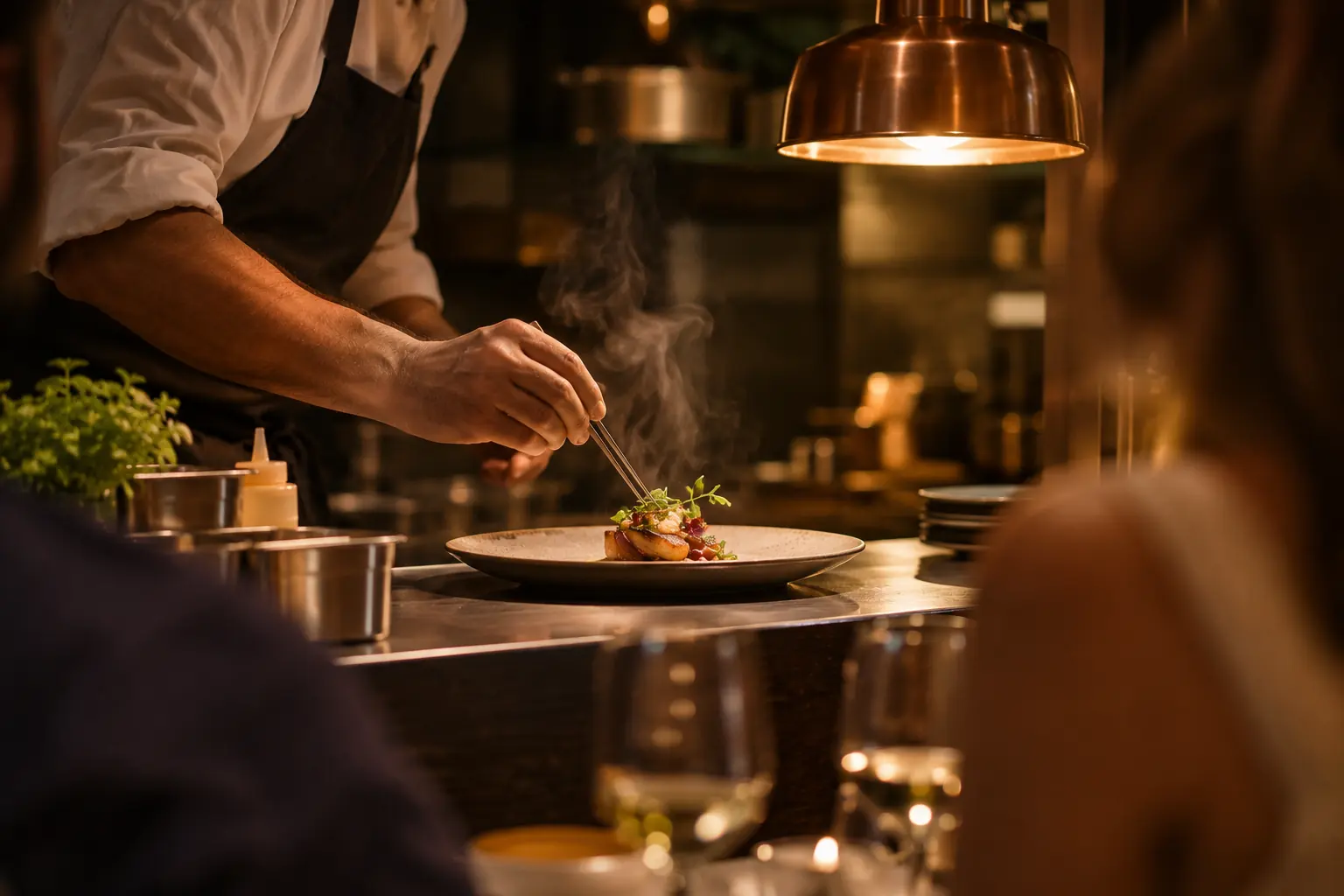
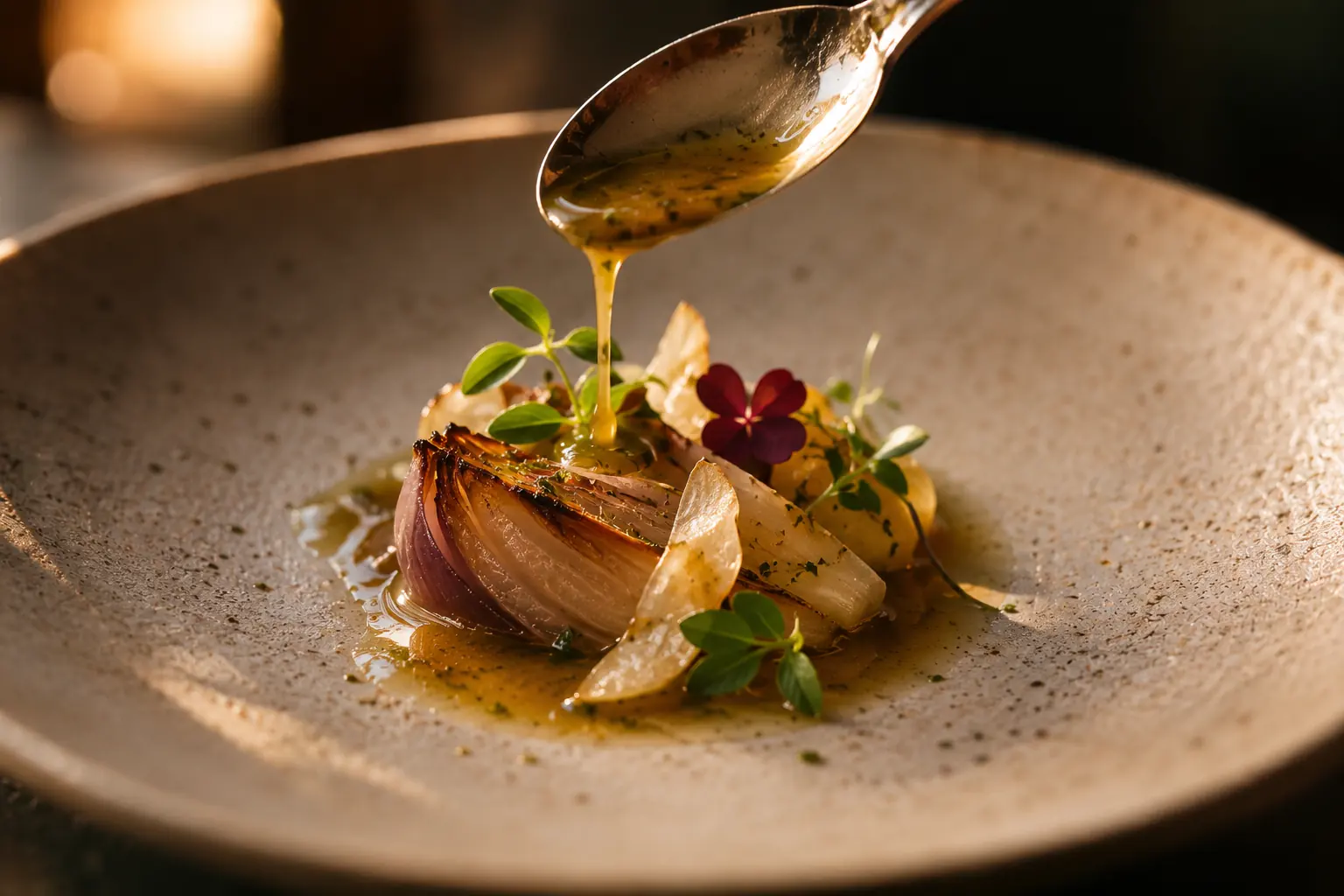
A guest studies a tasting menu in English before booking a special evening. The photograph and description are from the summer menu, but the kitchen has changed suppliers and ingredients. That mismatch matters for trust, especially when dietary restrictions are involved.
What changes when the seasonal menu is updated
The host knows what the guest ordered, yet the chef prepares a different seasonal garnish. Good service requires a clear path to ask whether the dish, its ingredients and possible cross-contact are suitable before anyone confirms the guest's request.
An attractive gallery does not replace precise service details. Automatic assumptions about food safety or translation quality can create serious risk. Dietary labels must be reviewed by the responsible kitchen team whenever recipes, preparation equipment or suppliers change.
Five checks for allergens, languages and menu photography
Follow the operational, financial and guest-facing details as separate checks so that no stage is assumed to be complete.
- Confirm current ingredients, portions and included or excluded services.
- Ask the responsible chef to validate allergens and dietary markings.
- Explain how cross-contact concerns and special requests are handled.
- Review every active guest-language version of product and variant text.
- Compare cover and gallery images with what is actually served today.
What Experience stores and what the kitchen must verify
Experience stores product descriptions, gallery images, supported translations and dietary tags alongside catalogue information. It helps teams present the service consistently but does not perform kitchen verification, eliminate cross-contact or provide a medical assurance of safety.
A label does not promise zero allergy risk. The menu offered to a guest must match the actual preparation, and staff should know when to escalate a dietary question rather than relying on a stale product description. Recheck copy and images when the menu changes.
FAQ: Does an allergen label certify that a dish is safe?
No. Ingredients and cross-contact risks need separate kitchen confirmation.
FAQ: Are all product translations created automatically?
No. Each configured guest-language description should be reviewed.
FAQ: Can a gallery replace accurate written menu information?
No. Portions, inclusions, exclusions and the service itself still need precise descriptions.