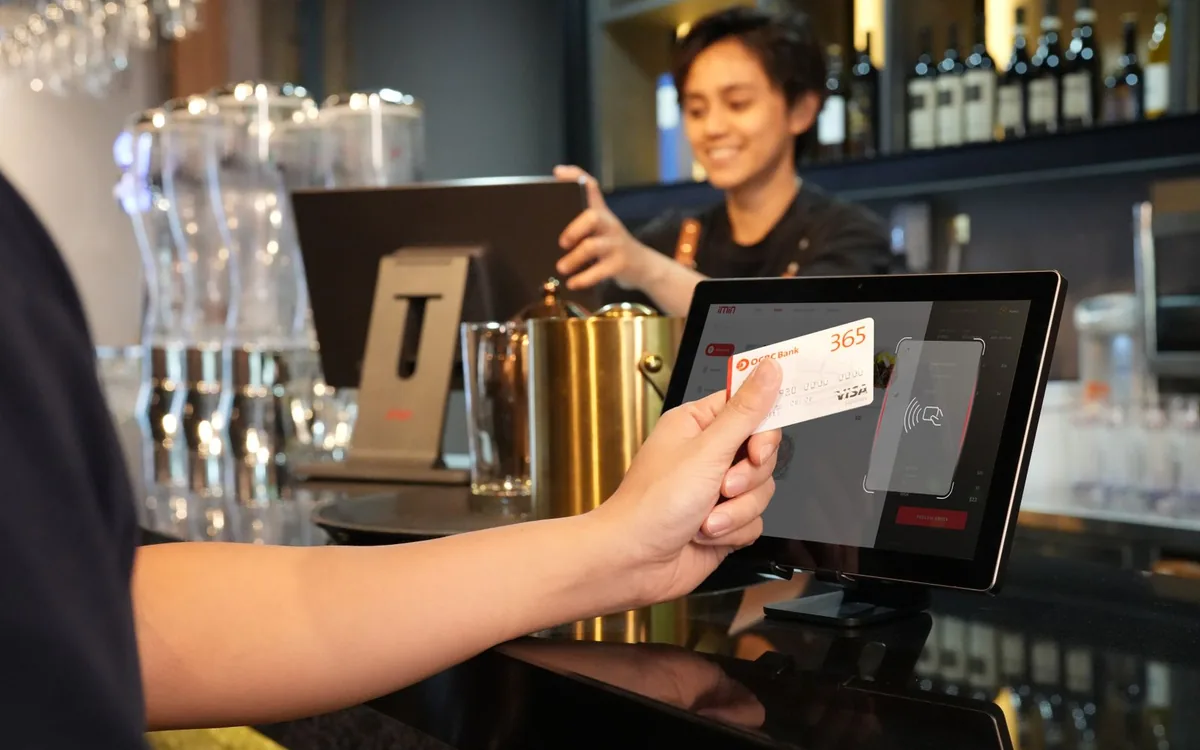
Are prepayment, card pre-authorization and a deposit the same?
A prepayment is an amount actually collected when a reservation is made. A card pre-authorization temporarily holds a specified amount on the card; the charge has not yet been captured. A deposit can have different contractual and legal consequences depending on its terms. Using all three expressions interchangeably on a payment screen is misleading.
For example, charging TRY 500 per person in advance for a special-menu reservation for four guests collects TRY 2,000 before the visit. A pre-authorization for the same amount may reduce available card credit temporarily, but it is not a completed sale transferred from the bank to the restaurant.
How long an authorization remains valid, and whether it can later be captured, depends on the bank, card and POS transaction. The time it takes for a cancelled hold to disappear from a guest's available balance may also depend on bank processing.
Which approach is appropriate for which reservation?
For a tasting menu or New Year's Eve reservation that needs special kitchen preparation, a prepayment may be easier to justify. A valid card hold may be an option for large parties or peak service periods, depending on the restaurant's policy. For a standard, lower-risk lunch booking, improving confirmation and reminders may be sufficient.
Clearly state whether the amount is per guest or per table. A TRY 1,000 hold for a two-person table is not the same as a TRY 1,000 hold per guest. Plan for partial attendance, timely cancellation, late cancellation and a complete no-show before applying the policy.
Before payment, show the transaction type, amount, cancellation deadline and any applicable refund conditions. Example wording: 'A prepayment of TRY 500 per guest is collected for this reservation. The refund conditions for cancellations within the stated period are explained here.' The restaurant should adapt this wording to its own contract and payment terms.
Not every reservation needs financial security. After introducing a policy, assess no-show rates, bookings abandoned at the payment step and guest complaints together.
- Is the transaction a completed charge or a temporary card hold?
- Is the amount clearly defined per guest or per table?
- Have cancellation and no-show terms been disclosed in advance?
- Are payment and cancellation outcomes checked in reports?
What roles do Rezervem Manager and Pay play?
Rezervem Manager handles the reservation's day, meal period, party size, area and status. Where supported, financial rules can connect a prepayment or pre-authorization decision to that reservation context. Configuring a rule does not establish that it activates automatically on every channel; test the actual amount shown to guests.
Rezervem Pay is a separate product for card charges and pre-authorizations, as well as payment links and QR requests without a reservation. A restaurant may use its own virtual POS when a suitable integration is configured. An independent payment request and a reservation guarantee are not the same business rule.
For daily operating steps, see the Manager and Pay no-show guide. For definitions and cost, read what is a no-show?.